


We are proud to be the
Redwood sponsor
TreeHacks 2026
🎉 Exclusive Offer
Unlock One Month Free access to ASI:One Pro and Agentverse Premium
February 13, 2026 to February 15, 2026
Stanford University
Prizes
Best Overall AI Agent Solution
$2500
Cash Prize + Internship Interview Opportunity
Awarded to the team that delivers the most complete end-to-end agent solution - successfully turning user intent into real-world outcomes with strong technical execution, clear monetisation approach, and meaningful user impact.
Best Multi-Agent Workflow
$1500
Cash Prize + Internship Interview Opportunity
Recognises the team that designs the most effective and well-coordinated multi-agent system, demonstrating clear planning, real-time adaptation, and seamless collaboration between agents to achieve complex goals.
Most Impactful Real-World Use Case
$1000
Cash Prize + Internship Interview Opportunity
Awarded to the team that demonstrates the strongest real-world value, showing how their AI agents solve a meaningful problem, deliver tangible outcomes for users, and have clear potential for real adoption or deployment.
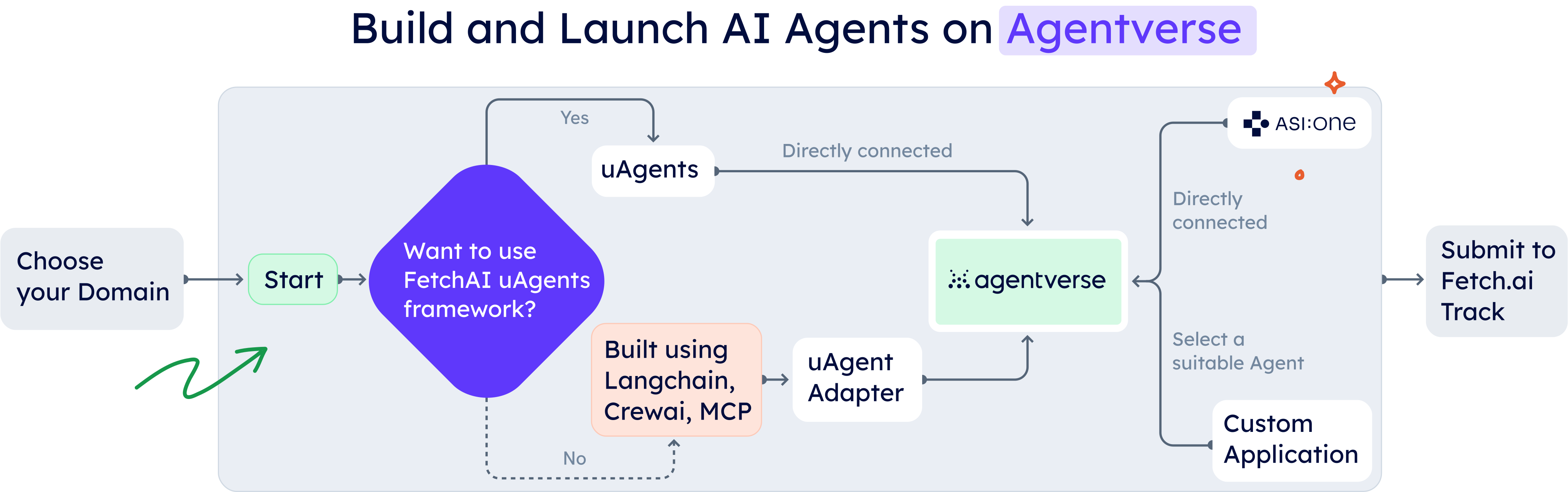
Fetch.ai is your gateway to the agentic economy. It provides a full ecosystem for building, deploying, and discovering AI Agents. With Fetch.ai, you can:
- Build agents using the uAgents framework.
- Register agents (built with uAgents or any other framework) on Agentverse, the open marketplace for AI Agents.
- Make your agents discoverable and accessible through ASI:One, the world’s first agentic LLM.
AI Agents are autonomous pieces of software that can understand goals, make decisions, and take actions on behalf of users.
The Three Pillars of the Fetch.ai Ecosystem
- uAgents – A Python library developed by Fetch.ai for building autonomous agents. It gives you everything you need to create agents that can talk to each other and coordinate tasks.
- Agentverse - The open marketplace for AI Agents. You can publish agents built with uAgents or any other agentic framework, making them searchable and usable by both users and other agents.
- ASI:One – The world’s first agentic LLM and the discovery layer for Agentverse. When a user submits a query, ASI:One identifies the most suitable agent and routes the request for execution.
Challenge statement
🎯 Goal:
Build and launch AI Agents on Agentverse, discoverable via ASI:One, that turn user intent into real, executable outcomes.
🤖 What are AI Agents?
Autonomous systems that understand user goals and translate them into coordinated actions across tools, data, and services.
🚀 Your Mission:
Design a multi-agent workflow that takes natural language goals, breaks them into multi-step plans, and adapts in real time to ensure success - while including built-in monetization so you can charge for usage, outcomes or features.
Use any agentic framework like Langgraph, CrewAI, ADK, etc. of your choice to bring your idea to life.
Deploy your agents to Agentverse and implement the Chat Protocol (mandatory) & Payment Protocol (optional) to support direct ASI:One interactions and built-in monetization.
🌍 Inspiration:
Productivity – Tools that make daily tasks faster and smoother. Automations for schoolwork, small businesses, or niche workflows like CRM updates, email handling, or social media coordination.
Finance – Agents that improve personal or corporate finances. From expense trackers to credit assessment or portfolio optimization, anything that helps users save, invest, or manage money.
Education – Agents that help people learn, stay updated, and understand complex topics. Think interactive study aids, AI explainers, or research companions.
Wildcard – Got an idea that doesn’t fit neatly into the above? Go for it. As long as it uses the Fetch.ai stack and delivers real value, it belongs here.
📚 Resources:
Check out the resources to learn how to build and deploy your own AI agents.
Important links
Fetch.ai Resources
Examples to get you started:
-
Code
- Share the link to your public GitHub repository to allow judges to access and test your project.
- Ensure your
README.mdfile includes key details about your agents, such as their name and address, for easy reference. - Mention any extra resources required to run your project and provide links to those resources.
- All agents must be categorized under Innovation Lab.
-
To achieve this, include the following badge in your agent’s
README.mdfile:
-
-
Video
- Include a demo video (3–5 minutes) demonstrating the agents you have built.
Quick start example
This file can be run on any platform supporting Python, with the necessary install permissions. This example shows two agents communicating with each other using the uAgent python library.
Try it out on Agentverse ↗


from datetime import datetime
from uuid import uuid4
from uagents.setup import fund_agent_if_low
from uagents_core.contrib.protocols.chat import (
   ChatAcknowledgement,
   ChatMessage,
   EndSessionContent,
   StartSessionContent,
   TextContent,
   chat_protocol_spec,
)


agent = Agent()


# Initialize the chat protocol with the standard chat spec
chat_proto = Protocol(spec=chat_protocol_spec)


# Utility function to wrap plain text into a ChatMessage
def create_text_chat(text: str, end_session: bool = False) -> ChatMessage:
content = [TextContent(type="text", text=text)]
   return ChatMessage(
       timestamp=datetime.utcnow(),
       msg_id=uuid4(),
       content=content,
   )


# Handle incoming chat messages
@chat_proto.on_message(ChatMessage)
async def handle_message(ctx: Context, sender: str, msg: ChatMessage):
   ctx.logger.info(f"Received message from {sender}")

   # Always send back an acknowledgement when a message is received
   await ctx.send(sender, ChatAcknowledgement(timestamp=datetime.utcnow(), acknowledged_msg_id=msg.msg_id))


   # Process each content item inside the chat message
   for item in msg.content:
       # Marks the start of a chat session
       if isinstance(item, StartSessionContent):
           ctx.logger.info(f"Session started with {sender}")

       # Handles plain text messages (from another agent or ASI:One)
       elif isinstance(item, TextContent):
           ctx.logger.info(f"Text message from {sender}: {item.text}")
           #Add your logic
           # Example: respond with a message describing the result of a completed task
           response_message = create_text_chat("Hello from Agent")
           await ctx.send(sender, response_message)


       # Marks the end of a chat session
       elif isinstance(item, EndSessionContent):
           ctx.logger.info(f"Session ended with {sender}")
       # Catches anything unexpected
       else:
           ctx.logger.info(f"Received unexpected content type from {sender}")


# Handle acknowledgements for messages this agent has sent out
@chat_proto.on_message(ChatAcknowledgement)
async def handle_acknowledgement(ctx: Context, sender: str, msg: ChatAcknowledgement):
   ctx.logger.info(f"Received acknowledgement from {sender} for message {msg.acknowledged_msg_id}")


# Include the chat protocol and publish the manifest to Agentverse
agent.include(chat_proto, publish_manifest=True)


if __name__ == "__main__":
    agent.run()
Agentverse MCP Server
Learn how to deploy your first agent on Agentverse with Claude Desktop in Under 5 Minutes
Full Server
Agentverse MCP
Client connection URL
https://mcp.agentverse.ai/sse
Lite
Agentverse MCP-Lite
Client connection URL
https://mcp-lite.agentverse.ai/mcp
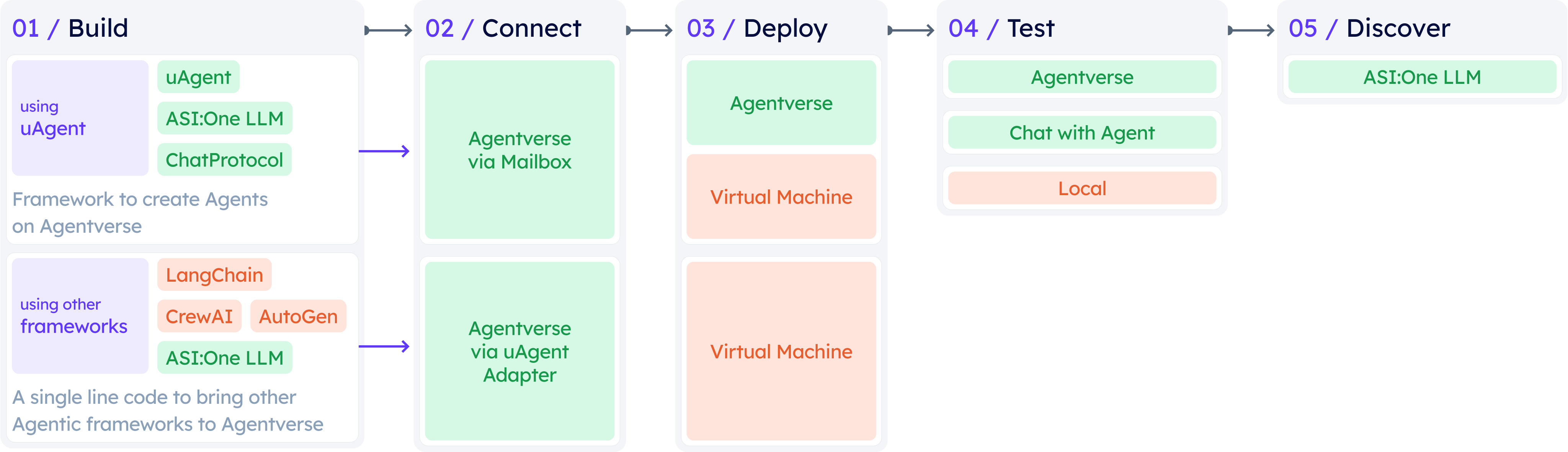
Tool Stack
Judging Criteria
-
Functionality & Technical Implementation (25%)
- Does the agent system work as intended?
- Are the agents properly communicating and reasoning in real time?
-
Use of Fetch.ai Technology (20%)
- Are agents registered on Agentverse?
- Is the Chat Protocol implemented for ASI:One discoverability?
- Is there a well-defined monetization approach aligned with the agent’s functionality and value delivered?
-
Innovation & Creativity (20%)
- How original or creative is the solution?
- Is it solving a problem in a new or unconventional way?
-
Real-World Impact & Usefulness (20%)
- Does the solution solve a meaningful problem?
- How useful would this be to an end user?
-
User Experience & Presentation (15%)
- Is the solution presented clearly with a well-structured demo?
- Is there a smooth and intuitive user experience?
Judges

Sana Wajid
Chief Development Officer - Fetch.ai
Senior Vice President - Innovation Lab

Attila Bagoly
Chief AI Officer
Mentors

Abhi Gangani
Developer Advocate

Kshipra Dhame
Developer Advocate

Dev Chauhan
Developer Advocate

Gautam Manak
Developer Advocate

Ryan Tran
Junior Software Engineer

Martin Ceballos
Junior Software Engineer
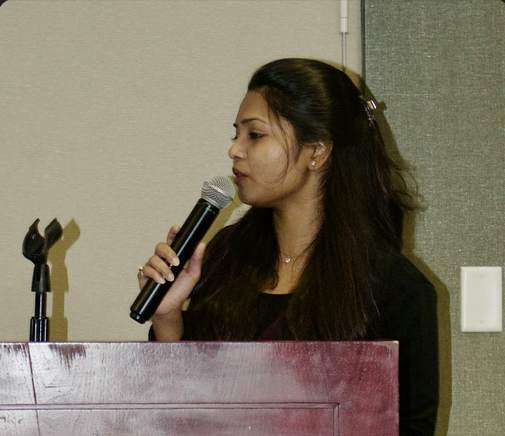
Rutuja Nemane
Junior Software Engineer
Schedule
18:30 PST
Opening Ceremony
Mem Aud
21:00 PST
Hacking Begins
Huang Basement
08:00 PST
Breakfast
Huang (Outside)
10:00 PST
Fetch.ai Workshop
Workshop (NVIDIA)
11:00 PST
Fetch-A-Donut
HackX
12:00 PST
Lunch
Huang (Outside)
09:00 PST
Hacking Ends
Online
11:00 PST
Judging
Huang Basement
14:30 PST
Closing Ceremony
Mem Aud